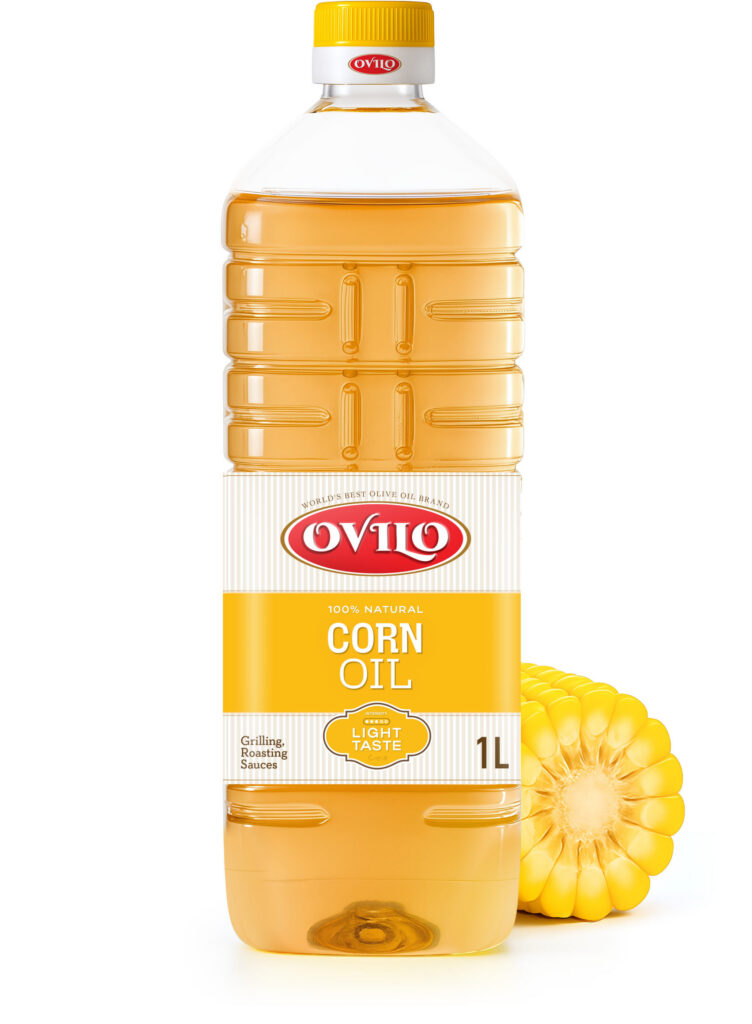
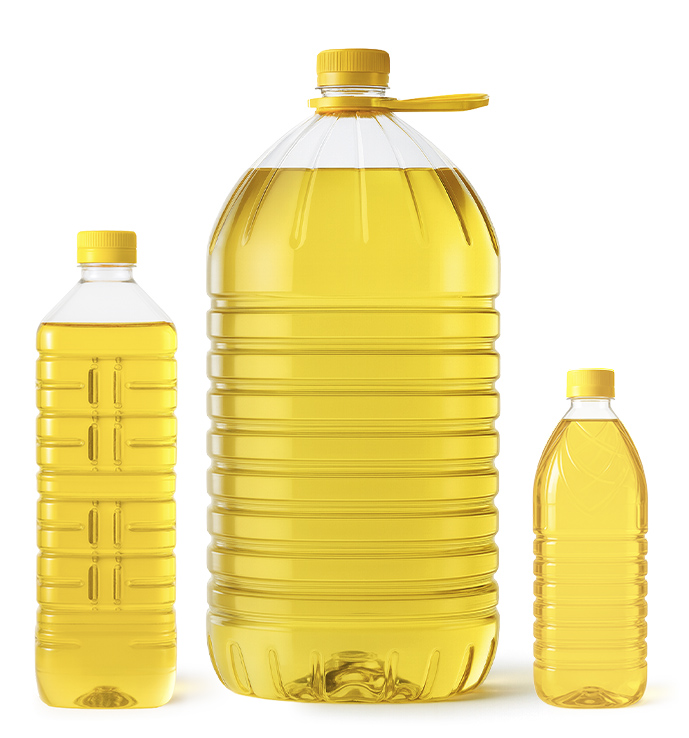

The value of corn oil comes from its content of unsaturated fatty acids and phospholipids. The unsaturated fatty acids — linoleic acid, linolenic acid and arachidonic acid — are involved in many metabolic processes. These acids belong to the group of substances that regulate cholesterol metabolism. Unsaturated fatty acids form soluble compounds with cholesterol and prevent cholesterol from depositing on the walls of blood vessels.
Corn oil is also rich in phospholipids — biologically active substances that are part of cell membranes — which play a particularly important role in the functioning of brain tissue. Phospholipids promote the accumulation of proteins. About 100 ml of corn oil contains approximately 14.3 mg of vitamin E (about 119% of the daily reference intake, NRV). Vitamin E acts as a powerful antioxidant, helping to protect cells from oxidative stress and supporting the normal functioning of the immune system.
Corn oil reduces nervous tension and fatigue, decreases fermentation in the intestines, improves metabolism, and increases performance and vitality. It can also be used for frying, but it is recommended to do so over low heat so that the vitamins in the oil are better preserved. It is suitable for braising meat and vegetables and for seasoning fresh salads.