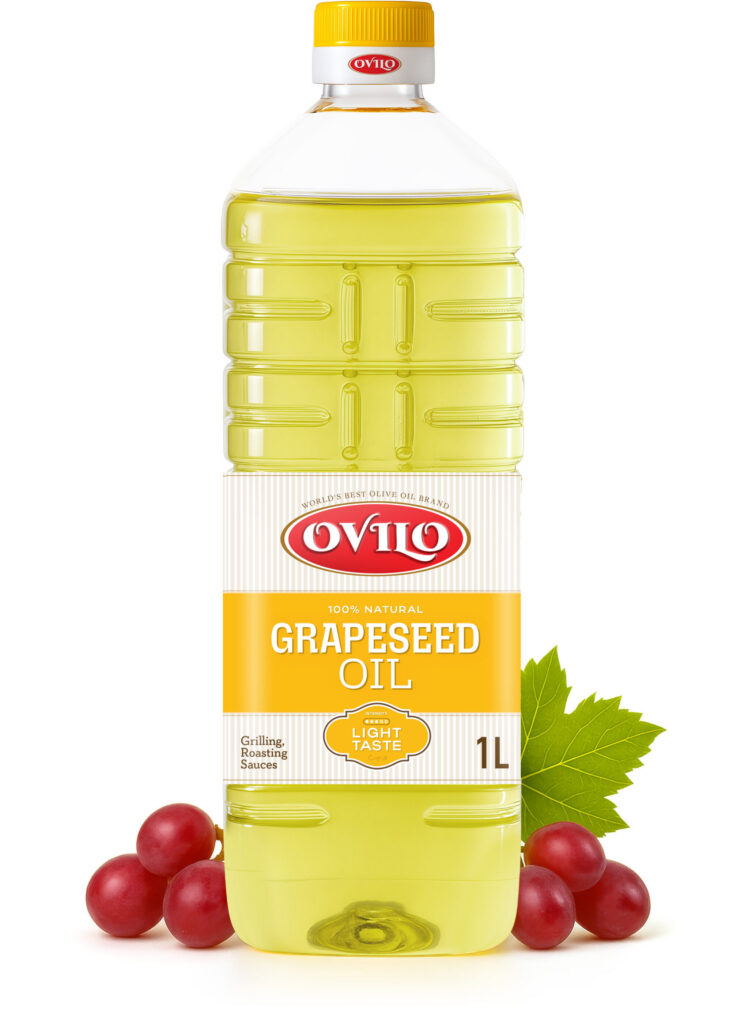
Grapeseed oil is rich in vitamin E (tocopherol): 100 g of the oil contains approximately 30–40 mg. Tocopherol helps protect cells from oxidative stress and supports cardiovascular health. Regular consumption of grapeseed oil may help keep cholesterol levels under control, support metabolism and strengthen the immune system. In terms of its fatty acid composition, grapeseed oil is one of the vegetable oils richest in linoleic acid – linoleic acid is essential for cell renewal and may slow the development of certain cancer cells. In addition, the oil contains various trace elements and bioactive compounds that help the body cope better with everyday strain and stress.
Grapeseed oil is also highly valued in cosmetics: it restores the skin’s protective and moisture barrier, absorbs quickly and does not leave a greasy film. Regular use helps to firm the skin, even out the complexion and slow the signs of premature ageing. It is added to rejuvenating face masks, body creams and hair care products.
In cooking, grapeseed oil is well suited for both frying and baking, as it has a relatively high smoke point; at the same time, it has a very mild flavour and is excellent for seasoning fresh salads, marinades and dressings. The recommended daily amount of grapeseed oil is 1–2 tablespoons (about 15–20 g), which provides approximately 180–200 calories.